


The Nature of Luck in Gambling
Luck is often viewed as a random force that can change the course of events in a moment. In the context of gambling, luck plays a crucial role in determining outcomes, especially in games of chance like slots and roulette. Players frequently attribute their wins and losses to luck, suggesting that some individuals are simply “born lucky” while others are not. This perspective shapes their gaming experiences and influences their strategies at the tables, especially when they are looking for the best non gamstop casino uk that can enhance their chances of winning, leading to a fascinating intersection of psychology and chance.
Research indicates that many gamblers believe in luck as a tangible force impacting their outcomes. This belief can stem from personal experiences or anecdotal evidence. For example, a player who wins a significant jackpot might feel that their lucky streak has come about through serendipity, further reinforcing the idea that luck is a powerful influence in the casino environment. Consequently, this notion can lead players to take risks based on their perceived luck rather than strategic calculations, often resulting in impulsive decisions.
However, the randomness of outcomes in gambling does not adhere to any rigorous patterns, making it difficult to consistently rely on luck. While luck can certainly contribute to short-term victories, the long-term results in gambling tend to favor the house due to the inherent advantages built into the games. This understanding can sometimes lead to a more realistic approach to gaming, where players recognize that while luck may play a role, skill and strategy are equally vital components of the gambling experience.
The Statistical Reality of Casino Games
Every casino game is governed by odds that determine the likelihood of different outcomes. For example, in games like blackjack or poker, players apply strategies involving mathematical concepts that enhance their chances of winning. These games are not purely based on luck; strategic decision-making influences outcomes significantly. Understanding the house edge and the probabilities associated with each game can provide players with a more informed perspective on their potential for success, ultimately shaping their approach to gambling.
In contrast, games like roulette and slot machines are primarily based on luck, governed by random number generators that ensure outcomes remain unpredictable. Despite this, the perception of luck persists among players who believe they can influence the results through rituals or superstitions. For instance, some players may refuse to change their betting patterns or avoid specific tables, convinced that their actions can sway fate in their favor, which highlights the complex relationship between belief and probability.
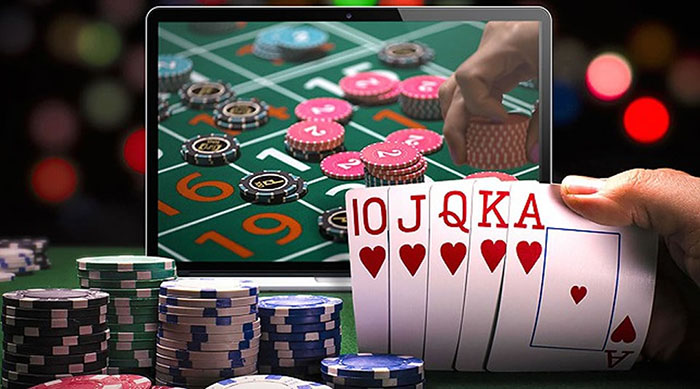
Ultimately, statistical analysis reveals that while luck may occasionally favor players, the odds are designed to favor the house over the long term. This reality underlines the importance of understanding game mechanics and probabilities, which can help players navigate their gaming decisions more effectively. Emphasizing strategy over luck could not only enhance their enjoyment of the games but also improve their chances of achieving favorable outcomes in the long run, reinforcing the need for a balanced approach to gambling.
The Role of Player Psychology
Player psychology plays a significant role in how individuals perceive luck and its influence in the casino. Gamblers often enter a state known as “gambler’s fallacy,” where they believe that past outcomes can affect future results. For instance, after a series of losses, a player might think that a win is due, leading them to bet more aggressively. This psychological bias highlights how emotions and beliefs can cloud judgment, resulting in decisions that are more influenced by luck than by reason, ultimately affecting a player’s overall experience.
Additionally, the euphoric feeling of winning can create a false sense of control over the outcomes. Players may attribute their wins to personal skill or insight, reinforcing the belief that they possess a unique ability to harness luck. This mindset can lead to longer playing sessions, increased bets, and, ultimately, larger financial losses—demonstrating how psychological factors can distort a player’s relationship with luck in gambling. Recognizing these cognitive biases is crucial for maintaining a healthy gaming experience.
Conversely, the fear of losing can lead to risk-averse behaviors, causing players to withdraw from games where they previously experienced success. Such fluctuations in mindset illustrate the profound impact of psychology on gambling behavior. Understanding these psychological elements can empower players to make more rational decisions and approach gaming with a balanced perspective, acknowledging both the role of luck and the importance of strategy in their gambling endeavors.
The Influence of Superstitions in Gambling
Superstitions are deeply ingrained in gambling culture, and many players turn to rituals and charms in their pursuit of luck. From wearing lucky clothing to performing specific behaviors before spinning the slot machine, these practices reflect a human desire to control uncertain outcomes. Superstitions can easily arise in casinos, especially where players witness improbable wins, reinforcing the belief that luck can be swayed through personal actions and rituals.
Interestingly, research has shown that while these superstitions may not influence the actual odds of winning, they can effectively enhance a player’s experience and sense of agency. Engaging in rituals before playing can help alleviate anxiety and create a more focused mindset, allowing players to enjoy the game regardless of the outcome. This emotional benefit can lead to a more positive gambling experience, independent of whether luck is genuinely influencing the results, showcasing the power of belief in the gambling process.
On the flip side, a reliance on superstitions can lead to poor decision-making if players believe that luck is entirely within their control. When players attribute losses to a failure in their rituals rather than to the inherent randomness of games, it can perpetuate a cycle of frustrated gambling. Consequently, players should be mindful of the fine line between enjoying superstitions for their entertainment value and allowing them to dictate their strategies and expectations, ensuring that their gaming remains a fun and enjoyable pursuit.
Your Journey in Online and Brick-and-Mortar Casinos
As the landscape of casinos evolves, players now have the option to engage in online gaming, blurring the lines between luck and strategy in both virtual and traditional environments. Online platforms offer a unique experience, combining elements of convenience and variety while utilizing algorithms to determine game outcomes. Players can encounter different levels of perceived luck based on their engagement styles and preferences in these diverse settings, which can further influence their gambling strategies and experiences.
In brick-and-mortar casinos, the ambiance, social interactions, and physicality of the games contribute to the overall experience. The thrill of being surrounded by fellow players and the enticing sounds of slot machines can heighten emotions and perceptions of luck. Factors such as lighting, music, and even proximity to other players can all influence one’s sense of luck within physical gambling spaces, adding layers of complexity to the psychology of gaming.
Ultimately, whether playing online or in-person, players are encouraged to adopt a balanced approach that appreciates the role of luck while acknowledging the importance of skill and strategy. By engaging with games in a responsible manner and understanding the psychology and statistics behind gambling, players can enhance their experiences and make the most of their time at the casino—positioning themselves to enjoy the thrill of luck while making informed decisions that can improve their overall success and satisfaction in gaming.


